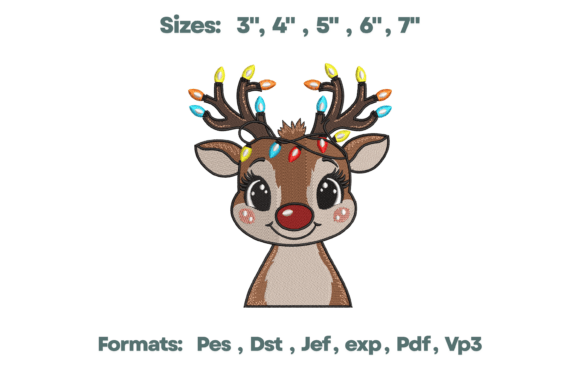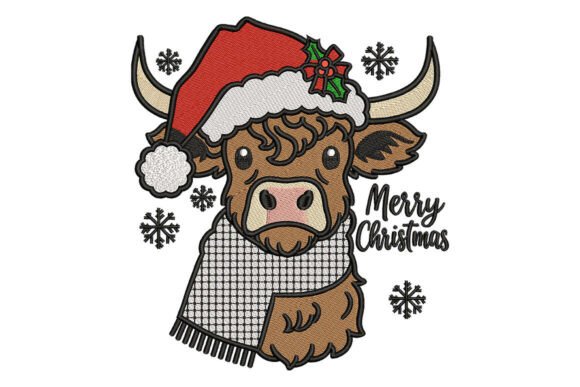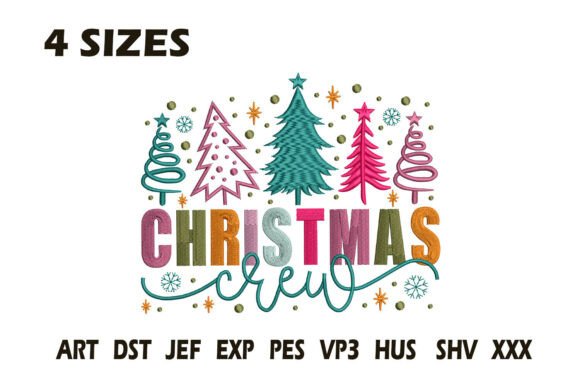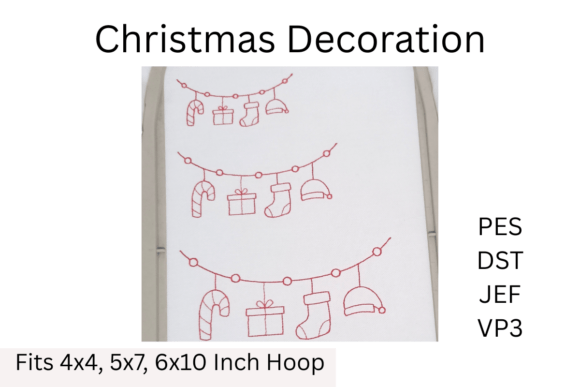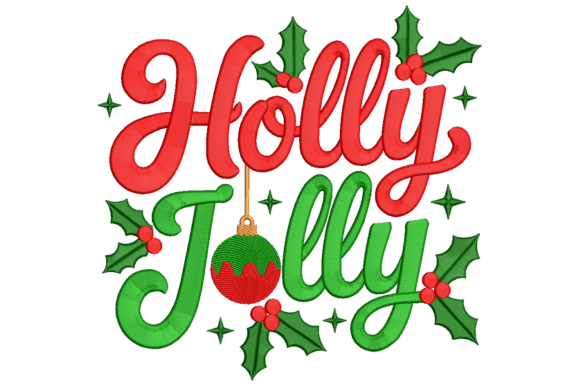
Holly Jolly Christmas Embroidery
First Impression: Festive, Friendly, and Booth-Ready
As an embroidery designer who’s prepped over 200 craft fair booths—and shipped thousands of finished products to Etsy sellers and boutique makers—I opened Holly Jolly Christmas Embroidery expecting charm. I got it. The title alone signals warmth and approachability—not overly traditional, not ironic or minimalist, but genuinely cheerful. It leans into joyful nostalgia without leaning too hard on cliché. That’s gold at a holiday market. Customers scanning your table don’t pause for subtlety; they pause for feeling. Holly Jolly Christmas Embroidery delivers that instantly: festive, soft-edged, and handcrafted in spirit—even before the needle touches fabric.
Where This Design Shines on Craft Fair Products
This machine embroidery design thrives where personality meets practicality. On a natural canvas tote bag? Perfect—centered above the pocket or scaled slightly larger on the front panel, it reads clearly from three feet away. As an apron embroidery? Ideal for the chest pocket or lower left corner—its balanced composition avoids visual clutter while adding handmade distinction. For tea towel embroidery, it works best as a single focal motif near the hem or corner, especially on linen or medium-weight cotton. The phrase “touch of charm and creativity” in the description isn’t marketing fluff—it’s accurate. This design doesn’t shout; it invites.
On embroidered patches, Holly Jolly Christmas Embroidery holds up beautifully when digitized with clean satin-stitch borders and thoughtful underlay. As a cap design? Use caution—avoid placing it too high on the crown or across curved seams unless you’ve tested stitch pull on a real cap blank. Small pouches and pillow covers benefit most when the design is sized between 3.5"–4.5": large enough to read, small enough to preserve fabric real estate and maintain stitch integrity.
What Makes It Sell—Beyond the Stitch
Craft fair shoppers buy stories, not stitches—and Holly Jolly Christmas Embroidery tells one fast: cozy gatherings, handmade gifting, quiet December mornings. That emotional resonance translates directly to booth traffic. When displayed on a folded tea towel beside a matching embroidered mug cozy (even if unembroidered), it builds a cohesive, giftable moment. As a small shop product, it supports brand consistency—especially for makers building a seasonal collection around warmth, tradition, and tactile joy.
For Etsy sellers, this embroidery file performs well in listings because it photographs cleanly: no excessive density to cause shadowing, no fine details that blur in thumbnail view. Pair it with a printable mockup showing three fabric options (cream linen, navy denim, oatmeal cotton) and you’ve covered visual versatility—critical for digital embroidery file buyers comparing assets before purchase.
Real-World Production Notes Every Designer Should Check
- Test on scrap fabric first—especially if stitching on textured towels or thick twill. Thread contrast matters more than you think; light thread on dark fabric may need an extra underlay pass.
- Review spacing and stitch density. While the description says “beautifully crafted,” dense fill areas (like holly berries or letter interiors) can pucker lightweight fabrics. Confirm stabilizer type matches your base fabric—cutaway for knits, tear-away for stable wovens.
- Confirm hoop size compatibility. If your machine uses smaller hoops (e.g., 4x4"), ensure the design fits—or plan for re-hooping, which adds time per item.
- Create at least one real mockup before committing to batch production. A stitched tote bag on your booth table speaks louder than ten digital previews.
- Compare fabric colors carefully. Holly green and red pop on neutrals—but can mute on olive, charcoal, or mustard. Swatch test before stitching 50 units.
- Verify commercial licensing before selling finished products. Since the description mentions stitching onto t-shirts and other wearables, confirm whether this digital embroidery file includes permission for resale of physical goods.
Design Limitations to Respect—Not Avoid
Holly Jolly Christmas Embroidery isn’t built for micro-details. Tiny lettering, delicate stems, or ultra-thin outlines won’t survive laundering or daily use on aprons or tea towels. Avoid shrinking it below 2.75"—clarity drops, and stitch density risks distortion. On dark fabric, double-check that white or light-green thread maintains legibility. And skip curved cap surfaces unless you’re using a cap frame and have confirmed tension settings—this design’s gentle curves don’t auto-adjust to domes.
Also note: “cut” appears cut off mid-sentence in the product description (“a cut…”). That could hint at incomplete metadata or a truncated embroidery file preview. Before purchasing or listing, verify the full design is included—no missing elements, no orphaned threads, no unbalanced symmetry.
Why This Belongs in Your Holiday Lineup
In a sea of snowflakes, reindeer, and serif-font “Joy,” Holly Jolly Christmas Embroidery stands out by being both familiar and fresh. It feels handmade—not mass-produced. It scales well across product types without losing identity. And crucially, it supports repeatable production: consistent stitch behavior, predictable thread usage, and minimal redesign needed for different substrates.
For the embroidery business owner juggling 12 holiday designs, this one saves time. For the Cricut + embroidery hybrid crafter, it layers beautifully with heat-transfer accents or fabric paint details. For the boutique maker curating a limited-edition holiday capsule, it adds warmth without overwhelming.
Bottom line? Holly Jolly Christmas Embroidery isn’t just another Christmas embroidery—it’s a craft fair workhorse disguised as a smile. It draws eyes, supports storytelling, and converts browsers into buyers—especially when stitched thoughtfully, shown authentically, and priced to reflect its handmade value.