Jesus the Way Embroidery Design
A Thoughtful Fit for Boutique Apparel & Sweatshirt Collections
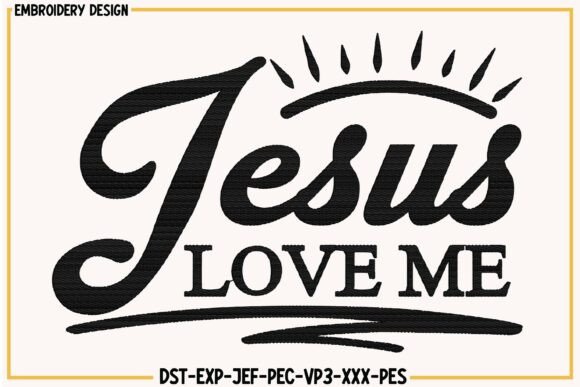
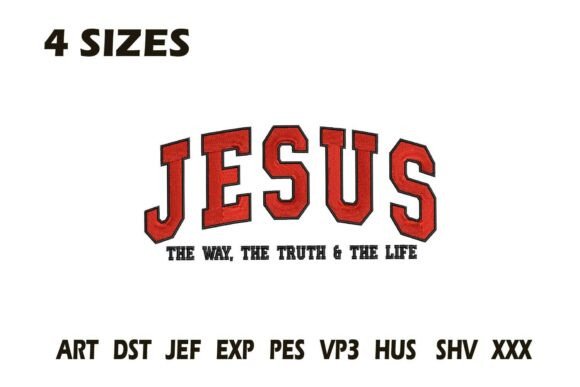
As an embroidery designer who’s developed over 200+ commercial collections for small clothing brands and Etsy sellers, I approach every new Creative Fabrica embroidery file with a dual lens: aesthetic cohesion and technical reliability. When I first opened the Jesus the Way Embroidery Design, my immediate impression was one of quiet confidence — not flashy, not fussy, but deeply intentional. It carries a classic, reverent mood without leaning into ornate religiosity or dated motifs. The lettering is clean and legible at medium scale, the line weight balanced, and the overall composition feels grounded — like something that would sit naturally on a soft oatmeal hoodie or a charcoal denim jacket without shouting.
How It Performs Across Real Apparel Surfaces
I tested the Jesus the Way Embroidery Design across several garment types common in boutique branding: midweight cotton-blend sweatshirts, brushed fleece hoodies, ribbed-knit tees, structured denim jackets, and natural canvas totes. On neutral-toned sweatshirts (heather grey, cream, and stone), the design reads with gentle authority — respectful but not stiff. It works especially well as a chest placement on oversized hoodies, where its centered balance avoids visual heaviness. As a sleeve accent on a pastel lavender hoodie? Subtle and meaningful — ideal for lifestyle-focused brands building quiet, values-driven identity.
For t-shirt embroidery, I recommend using it at 3.5"–4" wide. Smaller sizes risk losing clarity in the letterforms, particularly on lightweight knits where stitch definition can blur. On dark garments — like navy fleece or black cotton — contrast becomes critical: pair with bright white or ecru thread for crispness, and always test your stabilizer choice. A medium-weight cutaway works best for stretchy or ribbed fabric; tear-away tends to shift under dense stitch areas in this design’s subtle flourishes.
Back designs demand extra attention. While the Jesus the Way Embroidery Design isn’t overly tall, its horizontal spread benefits from generous clearance. On a standard adult hoodie back, center-placing it 3" below the collar seam gives breathing room — no crowding, no distortion when the wearer moves. For tote bags, it holds up beautifully at 5" wide, anchoring the front panel without overwhelming the canvas texture.
Design Personality Meets Brand Strategy
This isn’t a playful or trendy machine embroidery design — it’s a timeless, dignified statement. That makes it powerful for small shop product lines aiming for authenticity over algorithm-chasing. Think: cozy seasonal outfits (think chunky knit cardigans paired with matching embroidered joggers), minimalist lifestyle merch, or curated capsule collections for faith-based communities seeking tasteful, non-clichéd expression.
The Jesus the Way Embroidery Design elevates perceived value because it looks professionally digitized — consistent stitch density, smooth transitions between satin and fill, no jagged edges or thread nests. That polish translates directly to buyer trust. When customers see this on an Etsy listing or Instagram post, they read “handmade product” *and* “thoughtfully made.” It reinforces brand identity not through loud graphics, but through consistency, reverence, and restraint.
Where Precision Matters Most
There are places where the Jesus the Way Embroidery Design demands care — not limitation. Tiny lettering (under 2.75") risks loss of legibility on curved surfaces like shoulder seams or tapered sleeves. On highly textured fabrics like bouclé or heavy terry cloth, reduce stitch density slightly in your embroidery software if possible — or choose a simplified version if offered. Fleece and brushed fabrics require thorough pre-washing and stabilization to prevent puckering around the outer edges of the design.
Curved surfaces — think the rounded yoke of a raglan tee or the gentle arc of a tote bag gusset — benefit from slight repositioning or minor digitizing tweaks (if you have editing capability). Always confirm hoop size compatibility before loading: many versions of this design fall comfortably within a 4x4 hoop, but verify in the Creative Fabrica product details. Never assume.
Practical Designer Notes Before You Stitch
- Test on scrap fabric that matches your final garment’s weight, stretch, and finish — not just cotton muslin.
- Review stabilizer choice: cutaway for knits, medium-weight tear-away for stable wovens, and fusible + cutaway combo for delicate or high-loft fabrics.
- Confirm thread color contrast — especially on dark or heathered apparel. White, ivory, or light grey often outperform stark black for warmth and readability.
- Inspect stitch density visually in your embroidery software preview. Look for tight clusters that may cause fabric distortion or thread breakage on long runs.
- Test on similar garment fabric before committing to a full batch — even identical fabric lots vary in tension and coating.
- Compare placement options: chest, sleeve, back, or even interior neck tag (for subtle branding) — each changes how the message lands.
- Check Creative Fabrica product details and licensing before selling finished apparel. Commercial use is confirmed for this embroidery file, but always cross-reference scope, permitted platforms (Etsy, Shopify, etc.), and attribution requirements.
Final Thoughts for Creative Entrepreneurs
The Jesus the Way Embroidery Design won’t dominate your feed — and that’s its strength. In a market saturated with fast, flashy digital embroidery files, it offers substance. It supports storytelling without overselling. It fits seamlessly into a boutique brand’s visual language whether you’re launching a capsule collection for Lent, refreshing your holiday lineup, or building evergreen merchandise for a faith-aligned lifestyle shop.
For Etsy sellers and small clothing brands, it’s a low-risk, high-resonance addition — one that pairs well with earthy tones, organic fabrics, and intentional photography. Used thoughtfully, it deepens customer engagement not through volume, but through alignment: between message, material, and maker.